


After (re)watching the masterclass with Sammy Lander, there’s one standout lesson that should shift how we think about substitutes and their role in field hockey: Don’t just expect impact—coach it deliberately.
Too often, coaches in all sports (including hockey) assume that players coming off the bench will naturally bring energy, intensity, or clarity to the game. But as Sammy Lander makes clear, impact is not something to be passively expected—it has to be systematically coached, reinforced, and reflected.
Lander’s methodology starts with a challenge:
“Are you coaching impact or are you expecting it?”
This question should be at the core of how we prepare our squads, especially those players who aren’t starting but are called upon to change a game’s trajectory. According to Sammy Lander, “I don’t think we coach impact. I don’t think we have any process that allows us to coach it, but there is a real high expectancy of having an impact.” That disconnect cuts straight to the heart of our practice as coaches.
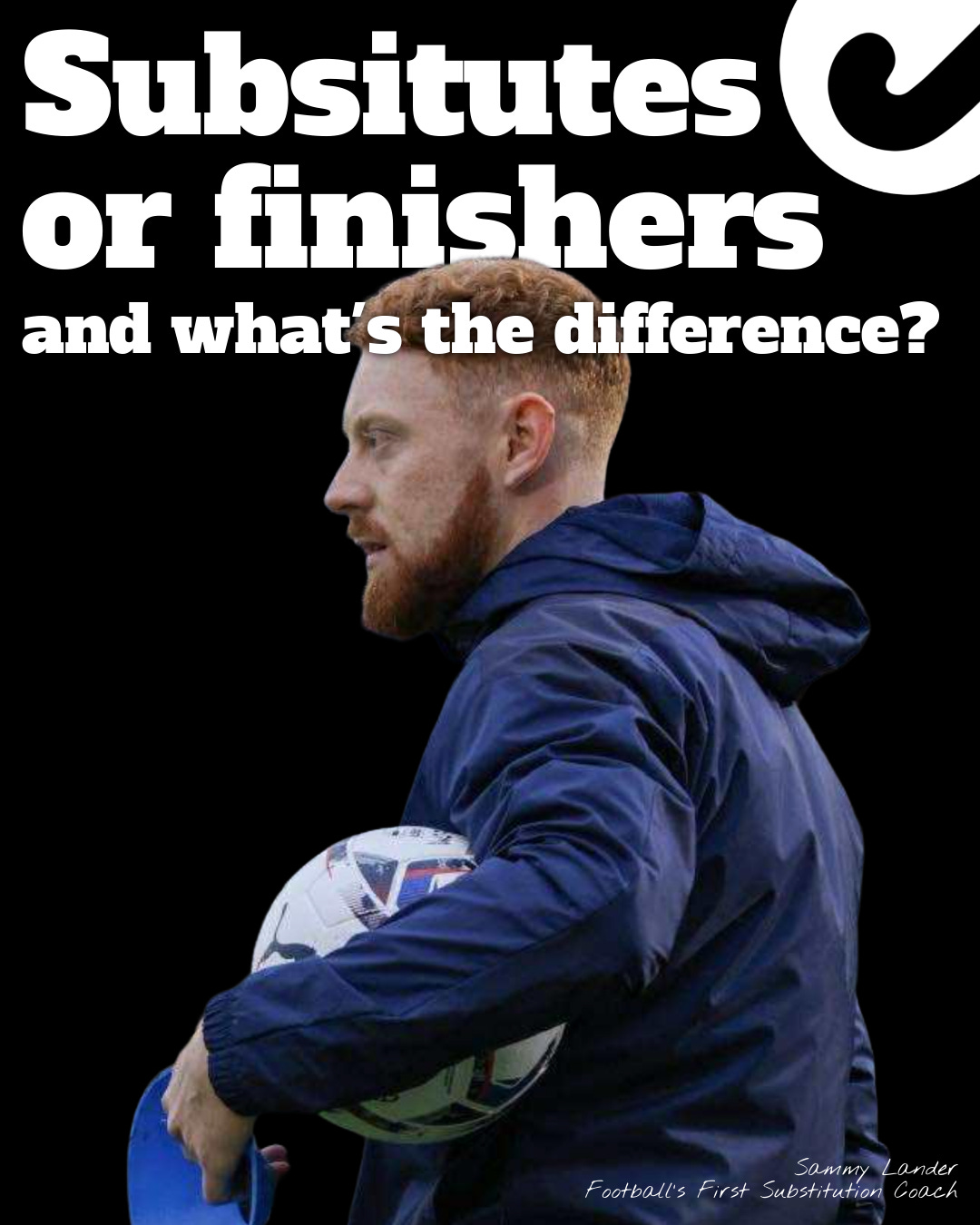
Why this matters for field hockey coaches:
Unlike football, field hockey runs on rolling substitutions. Everyone (or almost everyone) gets minutes, and the nature of rotation means any player might start, finish, or be called into a high-pressure situation late in the game. That fluidity gives coaches enormous tactical flexibility—but only if we’re deliberate in how we manage it. If we just throw players into the mix and expect them to “bring impact,” we risk missed opportunities, lost momentum, and reduced clarity.
So, how should you use this insight in your week-to-week coaching?
Coach ‘impact actions’ specifically.
Design sessions where players are regularly thrown into game scenarios after a spell on the sideline—simulate them entering play cold, and coach their first two actions. Field hockey’s fast transitions mean impact must be immediate, not something players ease into.Define roles for each substitute.
Before every match, be clear: who is your energizer, closer, exciter, or game-changer? Sammy Lander applies tactical identity labels to bench players (“your ability to bring intensity and freshen our energy, our physical energy on the pitch up…”) and tracks their KPIs. Apply that to hockey—identify for each rotation what your tactical goal is, then give individualized feedback.Gather feedback and data.
Don’t just review your best players. Develop reflection forms for your subs too. Use simple stats or even video if possible. Compare them to the “average” for their role. Did your closer help defend a lead? Did your energizer maintain intensity in the fourth quarter?Build a ‘substitutes union’.
Avoid isolating bench players. Make your subs a collective, responsible for values like ownership of specific tasks, energy, and readiness. Check the warm-up routines: are you coaching the bench to stay ready, or are they passively waiting? As Lander puts it: “You have to help us become part of this process.”
By coaching impact, rather than expecting it, you’ll turn every rotation or substitution into a deliberate tactical tool. If you build your week around this process, matchday becomes the culmination of a plan, not a random gamble.
Why You’ll Want to Watch the Full Workshop
While you’ve just seen the core lesson, there’s much more to unpack—from Lander’s practical matchday routines to the psychological roles of subs, and how to adapt these to a rolling hockey bench. The masterclass goes deep into the nuts and bolts: how to use data, reflection, and tactical clarity to maximize each substitution’s effect. Watching the whole video (and reading further) will give you actionable, step-by-step frameworks. Just as important, you’ll see specific examples and troubleshooting for tough scenarios—like keeping non-playing squad members motivated, or managing your team in high-pressure minutes.
If you’re ready for a big leap in your coaching toolkit, keep reading below!


