


As we dive into the refinement of our preseason routines, there’s one standout principle that field hockey coaches everywhere should take from this masterclass: prioritizing hockey-specific training over generic physical conditioning in preseason.
It’s tempting—and often routine—to think of preseason as a time reserved for endless fitness drills, beep tests, and sprints. Yet, as Russell Coates emphasized throughout this workshop, the focus should shift towards hockey, skill development and game-relevant preparation rather than treating the restart as a bootcamp. The aim is clear: create an environment that values technical and tactical growth, while managing physical load within the actual context of hockey.
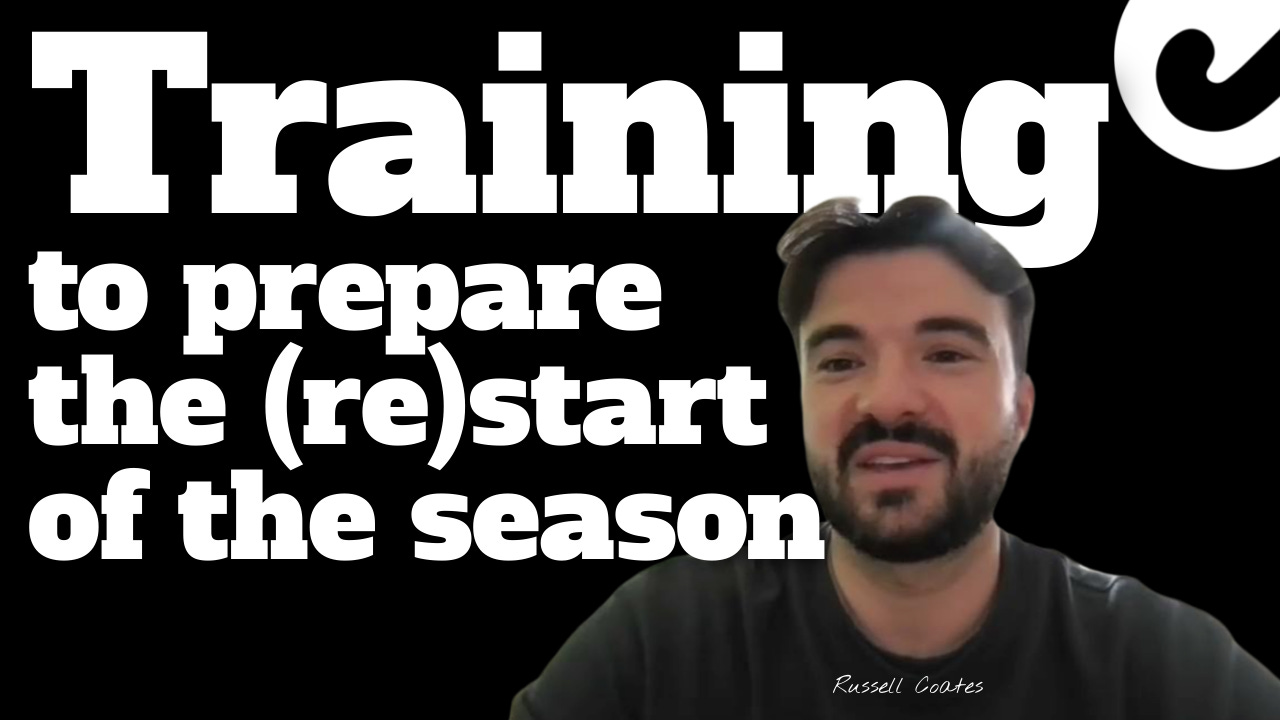
“For me, pre season is about getting better without draining the players physically. And it’s not necessarily about getting fitter. …preseason is all about hockey and that within a certain hockey context we’re trying to improve fitness. But merely improving fitness is not actually a focus point...”
— Russell Coates
With this in mind, the critical task for coaches is to design preseason sessions that enable players to rediscover rhythm, ball feeling, and coordination, especially after a significant break. Instead of burning your squad out through punishment runs and circuits, use hockey-specific drills that inherently build fitness, decision-making, and confidence. For instance, start off with technical exercises like dynamic passing and receiving—tailored to the present state of your squad (as Russell Coates suggests, longer and gentler for those who’ve spent months away from their sticks, and shorter if your group has a fresher base).
The implications for your week-to-week coaching are direct. Don’t revert to old habits under the pressure of calendars and expectations. Instead, design sessions where every activity has a match-related context. Regularly tweak exercise rules, group sizes, rest ratios, and pitch setups to ensure you’re targeting core skills and tactical priorities, instead of defaulting to fitness for fitness’ sake.
In your day-to-day, approach each session with the question: “How does this drill help my players improve within a hockey context?” Where possible, integrate fitness into actual hockey actions—ball-carrying, defending, pressing, passing, and shooting—rather than isolating running or gym-based work. Not only will your athletes be more engaged, but the gains will translate straight to game day.
Field hockey’s modern tempo doesn’t allow for wasted time. Your players get match-fit in context, not in isolation. The principles and sample session structures discussed in this workshop demonstrate how the modern approach to preseason can make every minute on the pitch count.
Why You’ll Want to Go Deeper: Watch, Read, Transform

This masterclass isn’t just another preseason theory review. It’s a candid, coach-to-coach exploration of the real challenges, from managing uneven numbers and varying skill sets to dealing with logistical headaches and keeping goalies switched on. Russell Coates breaks down the “why” behind each choice, not just the “what”. If you’re eager to challenge assumptions, discover effective session structures, and pick up actionable advice that you can implement straight into your club or elite environment, you’ll want the full breakdown.

Unlocking the rest of this in-depth session will provide you with specific answers, alternative approaches, and practical templates to transform your approach to preseason—and throughout the year. Already subscribed? Please read on and thanks :) 


