


On September 3, 2021 we hosted an AMA with Shane McLeod, the former coach of the Red Lions (Belgium). Our LIVE Ask Me Anything session with him will obviously deal mostly with his preparation for Tokyo and his experiences at this event.
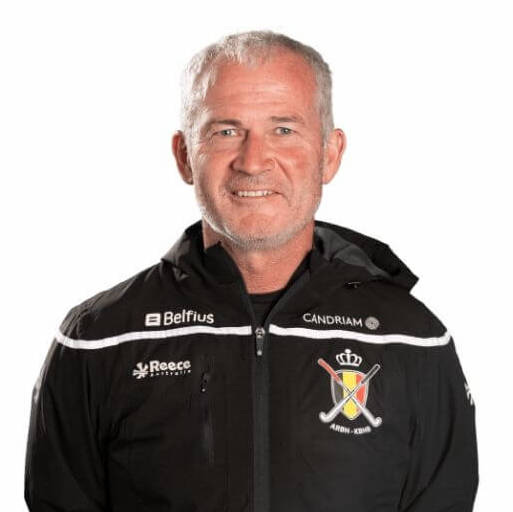
On August 5, 2021 Shane McLeod reached legendary status as the coach of a team that some 10 years ago nobody considered to be a contender for the main events. Today his Red Lions have won gold at every major event and are reigning world champions and reigning Olympic champions.
Before McLeod is taking a sabbatical from international hockey and his temporary move back home to New Zealand he was online with us to answer your coaching questions.
The Core Lesson – “Culture Over Tactics”
When reflecting on the recent masterclass with Shane McLeod, there are countless tactical insights and practical advice for experienced coaches. But if I had to distill it down to the one thing every field hockey coach should remember—or revisit—in their daily coaching, it’s this: prioritize building a culture that relentlessly puts the team first.
Yes, in our sport, tactical nuance and technical mastery are essential. But as McLeod illustrated across the workshop, the foundation for high performance and resilience under pressure stems from a team environment where honesty, trust, and genuine relationships are more than buzzwords—they’re operational principles. If you lead a club team on a cold Tuesday night or prepare national athletes for international tournaments, the lessons from Tokyo and Belgium’s rise transcend the elite context.
Why does this matter so much? Because, as Shane McLeod repeatedly emphasized, players in high-pressure environments only reach their ceiling—not just individually, but collectively—when they feel connected, respected, and safe to be honest with each other and their coach. “We have a big philosophy in our team that rather than working on weaknesses, we work on the strengths, and we try and turn those strengths into superpowers,” he said. But this capacity to focus on strengths only flourishes in a team climate of mutual trust and transparency.
How Can Coaches Use This?
Leverage Everyday Conversations
Move beyond feedback as assessment; treat feedback as an ongoing, collaborative conversation.
Shane McLeod
talked about facilitating direct, honest interactions between players (even speed-dating style discussions about team values and personal improvement). That’s not just a gimmick—it’s powerful. If you run a club session, set aside time for players to discuss what they admire in each other and what could improve. Don’t just focus on skills, but on how teammates make victory possible for one another.
Create Physical and Psychological Environments for Connection
McLeod described the “Olympic Room,” adorned with images of Belgian players in dominant positions over their rivals—not as a shrine to ego, but to flip their inherent self-image from underdogs to rightful competitors. Do you use your locker room, your presentation slides, your whiteboard to set similar subtle but essential cues for belonging and belief?
Model Transparency and Vulnerability as a Coach
The transcript is littered with examples where “we discuss things openly,” whether it’s positional preferences, selection disappointments, or post-tournament decompression. How often do you as a coach share not just your decisions but the reasoning—and open yourself to questions, even pushback?
Focus on Strengths as Route to Confidence
It’s easy to chase “weaknesses” in weekly training. But what if you doubled down on superpowers and made those central to session planning? Create challenge scenarios in your drills where players get to showcase—and refine—their best attributes. Not only does confidence grow, but weaknesses get smoothed as a side effect of striving for mastery.
Why Watch the Full Masterclass?

If you’re a field hockey coach who cares about moving beyond drills and results—who wants to shape environments where players thrive under pressure and grow as people—this masterclass is essential viewing. It’s a rare chance to see the nitty-gritty of leadership and culture, unpacked with candor and humility. From managing positional expectations to tackling post-Olympic dips, there’s no fluff, just honest reflections and actionable takeaways. Being able to read in-depth about these strategies and mindset shifts will leave you better equipped to deliver lasting results, on and off the pitch.

Unlock the full conversation and practical breakdowns below.


